|
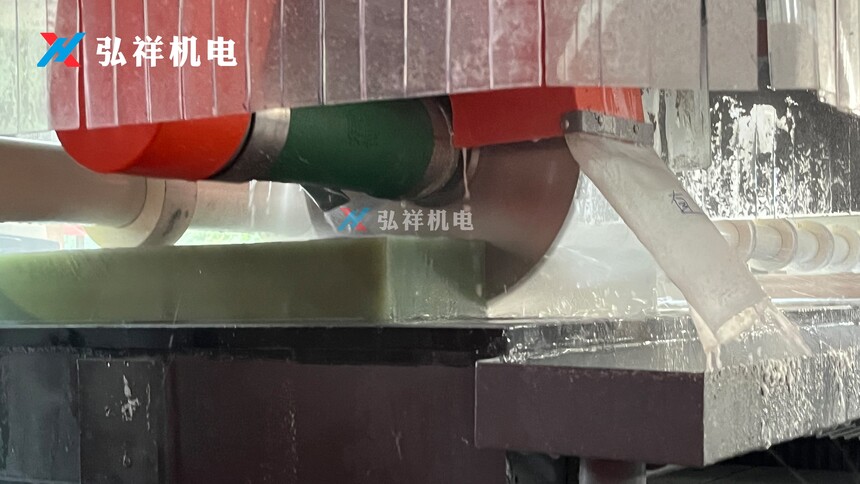
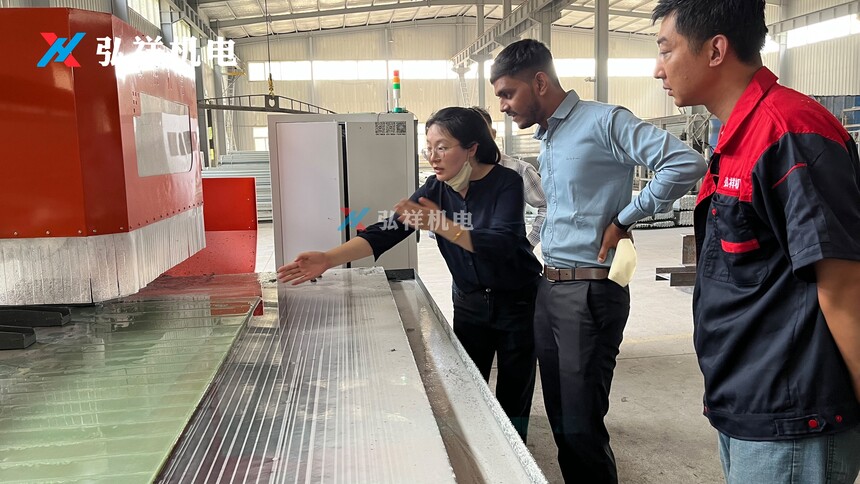
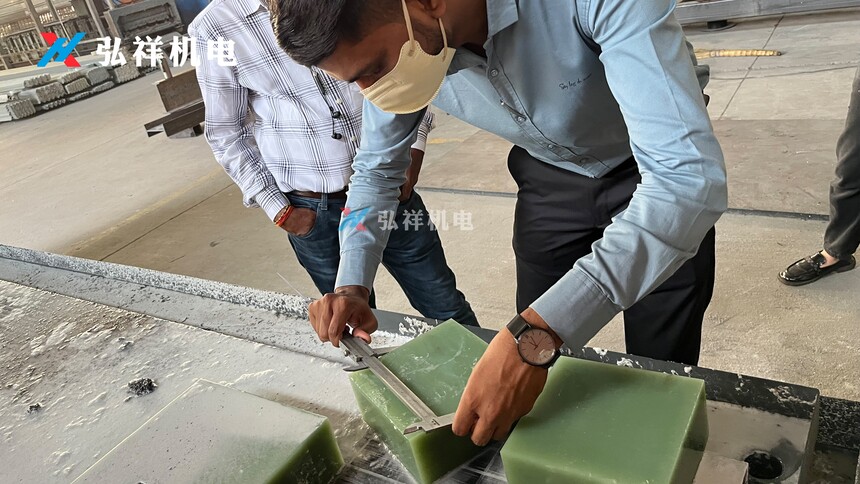
Technological Innovation and Industrial Benefits of CNC Saws-Efficient Transformation of Insulation Material ProcessingIntroduction: From Traditional Sawing to Intelligent Manufacturing In modern industrial production, efficiency and precision stand as the two key benchmarks for evaluating equipment advancement. With rapid progress in automation technology, CNC panel saws—critical tools for processing plate-type insulating materials—are gradually replacing traditional manual pushtable saws, driving technological innovation across the industry. Featuring fully automated operation and CNC control, these saws demonstrate exceptional performance in batch cutting of insulating materials, achieving over six times the efficiency of manual pushtable saws. This technological breakthrough not only significantly boosts production efficiency but also enhances processing accuracy and safety, injecting strong momentum into the intelligent transformation of the insulating materials manufacturing sector. 1. 1.The Limitation and Technical Bottleneck of Traditional Push Table Saw Prior to the widespread adoption of CNC panel saws, manual push saws dominated the cutting operations of plate-type insulating materials. This method relied heavily on operators' experience and physical strength, requiring manual pushing of panels for cutting, which presented significant drawbacks. Firstly, manual operations were inefficient, as each step demanded repeated adjustments and positioning, making it difficult to meet mass production demands. Secondly, cutting precision was highly susceptible to human error, often resulting in dimensional deviations or uneven cuts, leading to material waste and inconsistent product quality. Lastly, manual operations carried high safety risks, with prolonged work causing fatigue and potential accidents. As market competition intensified and environmental standards rose, these limitations compelled the industry to seek more efficient and safer alternatives. 2.Working Principle and Core Technical Advantages of CNC Plate Cutting Saw The CNC panel saw achieves fully automated operation through integrated numerical control systems, servo drives, and precision sensing technologies. Its working principle can be summarized as follows: Operators input cutting parameters (e.g., dimensions, shapes, quantity) via the human-machine interface, and the system automatically plans the optimal cutting path. Subsequently, the robotic arm or conveyor device delivers the material precisely, the clamping mechanism secures the board, and the high-speed saw blade completes the cutting according to the programmed sequence. Finally, the finished products are automatically sorted and output. Compared to manual table saws, the core advantages of the CNC panel saw are reflected in three aspects: Efficiency Leap: Automated assembly lines dramatically reduce processing time per unit, with continuous operation supporting 24/7 production. This boosts overall efficiency by over sixfold, making it ideal for large-scale orders. Precision Revolution: The CNC system ensures cutting errors are controlled within millimeter-level precision, significantly improving surface finish. This effectively reduces subsequent processing steps and enhances the overall performance of insulating materials. Smart Integration: The device features automatic detection and fault diagnosis, enabling real-time monitoring of parameters like saw blade wear and temperature fluctuations. This facilitates preventive maintenance and ensures stable production.
3.Application of CNC Plate Saws in Insulation Materials Industry Sheet insulation materials are extensively utilized in power equipment, electronic components, and building insulation applications, where cutting quality and consistency are critical requirements. The adoption of CNC panel saws has revolutionized production methodologies in this industry. Through deploying multiple CNC panel saws in coordinated operations, manufacturers establish flexible production lines capable of handling diverse specifications and order volumes. For instance, an insulation material manufacturer achieved a 500% increase in daily output from 500 to 3,000 sheets, with product pass rates rising from 85% to 98% and raw material utilization efficiency improving by approximately 20%. Furthermore, the automated nature of the equipment reduces reliance on skilled labor, alleviates workforce shortages, and decreases safety incidents, thereby establishing a foundation for sustainable corporate development. 4. Industry Impact and Future Development Trends The widespread adoption of CNC panel saws has not only driven the upgrade of the insulation materials processing industry but also extended to related sectors such as furniture manufacturing and decorative building materials, becoming a crucial component in smart factory construction. In the future, with the integration of IoT and AI technologies, CNC panel saws will advance to higher levels of intelligence. On one hand, through cloud-based data connectivity, they enable remote monitoring and optimized scheduling of production processes. On the other hand, adaptive learning algorithms can dynamically adjust cutting parameters based on material properties, further enhancing energy efficiency and environmental sustainability. It is foreseeable that CNC panel saws will continue to lead the evolution of traditional sawing technology toward digitalization and greening, providing solid support for the high-quality development of the manufacturing industry.
Conclusion: Towards a New Era of High Efficiency and Intelligence The evolution from manual table saws to CNC panel saws signifies not merely equipment upgrades, but a paradigm shift in production philosophy. With six times the efficiency of manual labor, millimeter-level precision, and comprehensive safety features, CNC panel saws have redefined the processing standards for plate-type insulating materials. In the Industry 4.0 era, advancing CNC technology applications and innovations will empower enterprises to overcome production bottlenecks, enhance core competitiveness, and ultimately propel the entire industrial chain toward a future characterized by efficiency, intelligence, and sustainability. |