|
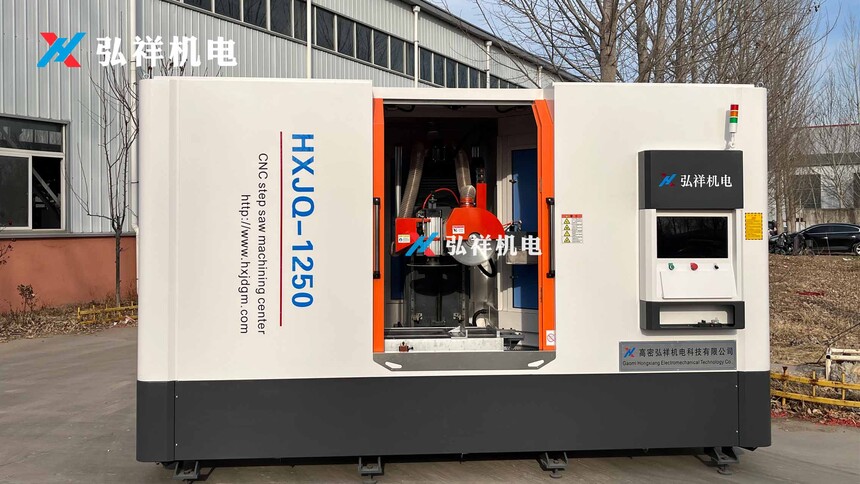
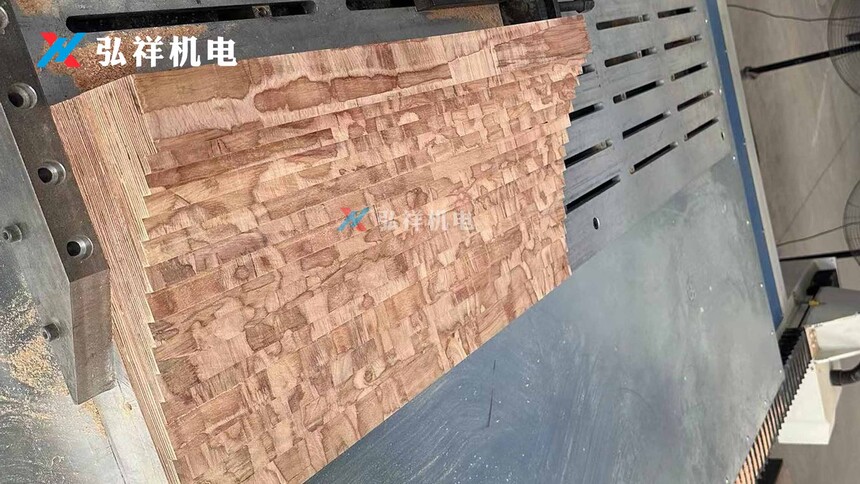
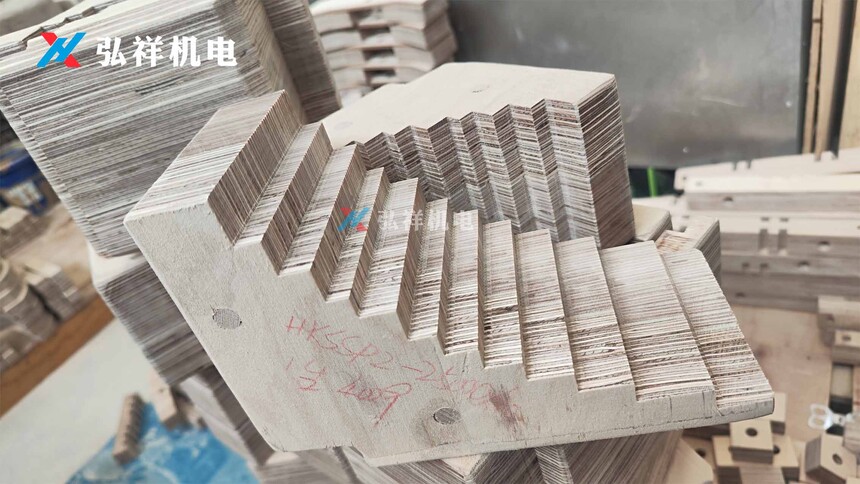
How CNC Step Saws are Reshaping Transformer Pad Processing WorkshopsIn the bustling transformer production workshop, quickly and accurately machining step pads for iron cores of various specifications is a critical link in ensuring production rhythm and product quality. In the past, this step either relied on the manual sawing and grinding by experienced craftsmen, where precision and efficiency were difficult to balance, or involved introducing traditional CNC equipment, which faced challenges such as time-consuming programming and a shortage of skilled personnel. Today, a CNC step saw known for its "simple operation and domestic originality" is becoming the "workshop solution" to address this pain point.
Its arrival has brought about three immediate transformations to workshop production:
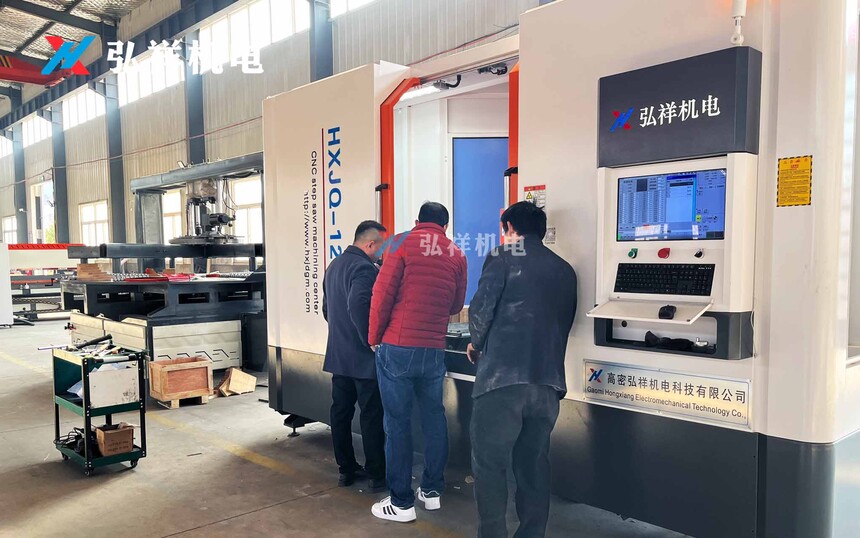
First, the skill requirements for personnel have been "flattened." Traditional CNC equipment is an "expert-oriented" tool, requiring operators to possess both mechanical processing knowledge and computer programming skills. In contrast, this equipment is a "general-purpose" tool. Any worker capable of reading engineering drawings can become proficient in its operation after brief training (even as short as half a day). Workshop supervisors no longer need to worry about recruiting expensive CNC programmers, and ordinary technicians can easily operate high-precision CNC machine tools, achieving optimal allocation of human resources.
Second, production response speed has become "rapid." Facing customized orders with multiple varieties and small batches, traditional methods required reprogramming, simulation, and debugging for each new specification, with preparation times potentially lasting several hours. Now, operators simply need to "directly input" the new step dimension parameters on the panel. With "no programming required," the system is ready almost instantly, allowing for product model switching with virtually "zero wait time." This significantly enhances the flexibility of the production line, particularly meeting the current market demands for customization and rapid delivery.
Third, machining quality control has been "standardized." Errors in manual operations are inevitable, and traditional programming can also lead to mistakes due to human oversight. This equipment adopts a closed-loop model of "direct dimension input and system automatic execution," minimizing the correlation between machining quality and individual experience. As long as the input parameters are correct, the equipment can perform repetitive tasks with consistent high precision, ensuring that every pad and every batch of products fully complies with design standards. This greatly improves the stability and reliability of product quality.
Conclusion: The value of this CNC step saw extends far beyond the equipment itself. Through extreme operational simplification, it brings advanced CNC technology from the "pedestal" to the "workshop floor," empowering frontline workers, optimizing production processes, and stabilizing product quality. Ultimately, it reshapes the competitiveness of the entire pad machining process. It demonstrates through practice that the highest efficiency often stems from the simplest operations. |